
 Free 30 Day Refund & Replacement
 Affordable Plants Straight to Your Door
 Double Guarantee On Hardy Plants
 10 Years Of Trusted Service Award
Organic gardening is a simple and rewarding way to grow healthier plants while creating a more resilient, wildlife-friendly garden. By focusing on natural gardening methods, you build soil that stays rich, fertile and moisture-retentive, giving your flowers, fruit and vegetables everything they need to thrive. Whether you're working with a small patio or a generous garden, organic gardening techniques fit effortlessly into every style and size of plot. Compost, garden manure and organic fertilisers enrich tired soils, while mulches help lock in moisture and support strong root systems.
Plus, organic gardening is accessible to beginners and experienced gardeners alike - revolving around soil improvement, choosing the right plants for your conditions and overall working with nature, not against it. With these simple foundations in place, plants establish quicker, resist pests better and deliver more reliable results across the seasons.
Organic gardening is a simple and rewarding way to grow healthier plants while creating a more resilient, wildlife-friendly garden. By focusing on natural gardening methods, you build soil that stays rich, fertile and moisture-retentive, giving your flowers, fruit and vegetables everything they need to thrive. Whether you're working with a small patio or a generous garden, organic gardening techniques fit effortlessly into every style and size of plot. Compost, garden manure and organic fertilisers enrich tired soils, while mulches help lock in moisture and support strong root systems.
Plus, organic gardening is accessible to beginners and experienced gardeners alike - revolving around soil improvement, choosing the right plants for your conditions and overall working with nature, not against it. With these simple foundations in place, plants establish quicker, resist pests better and deliver more reliable results across the seasons.

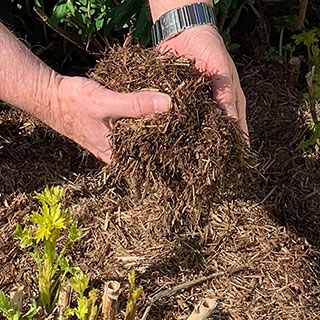

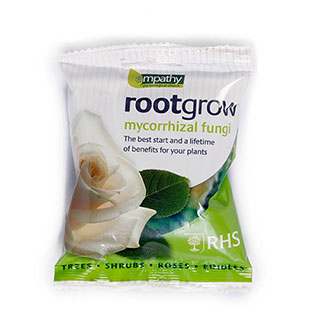
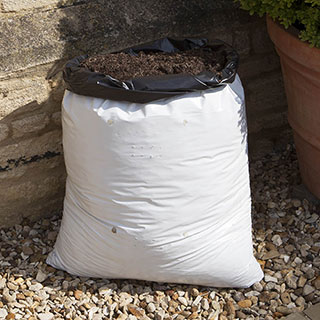

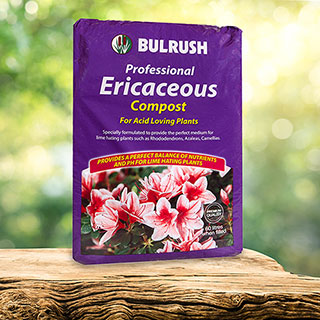
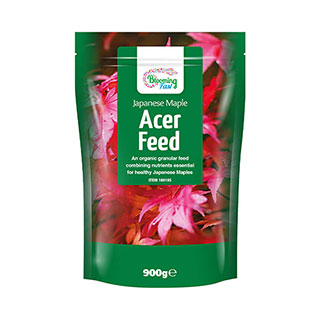


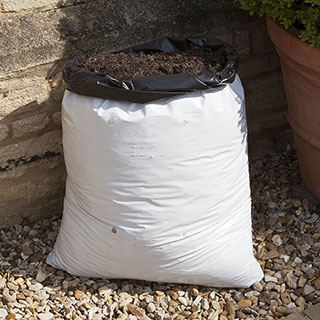

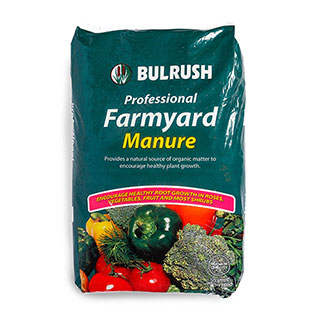

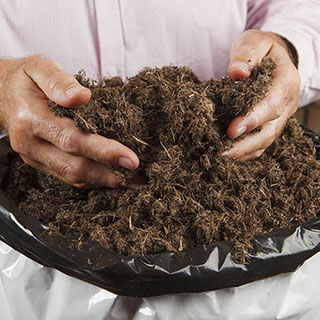
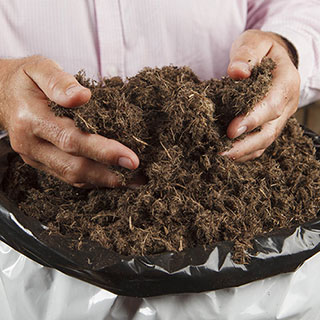
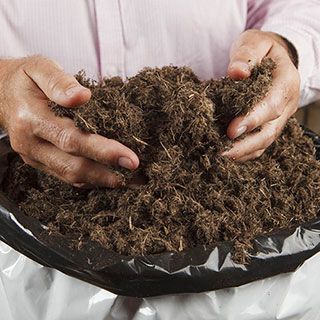
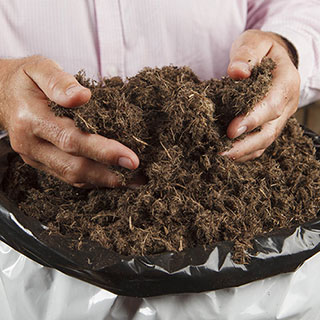
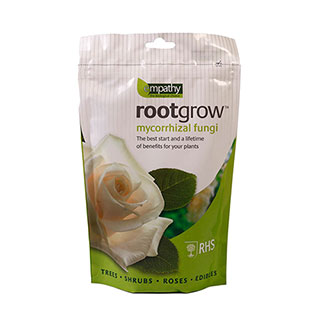
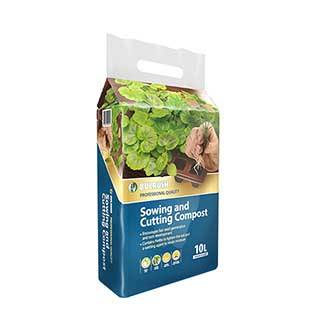
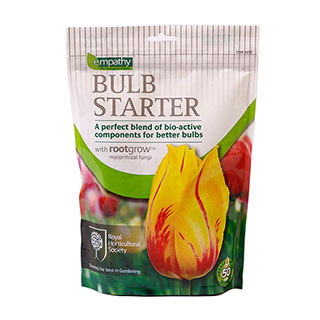

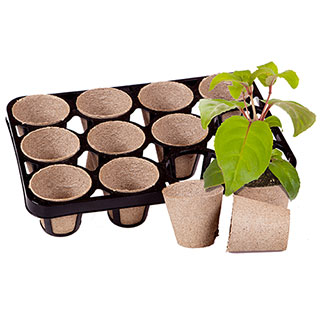

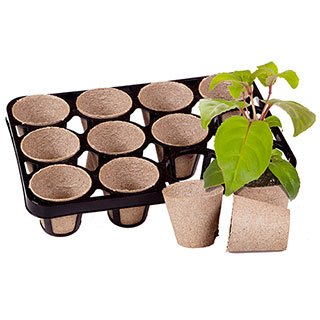

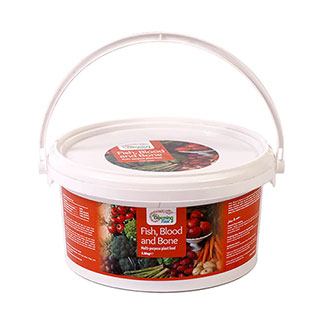
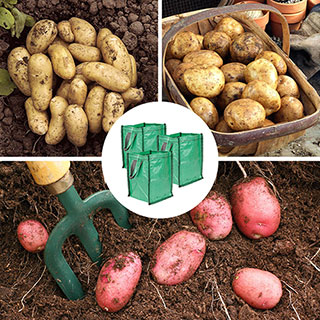
"Organic gardening is all about working in harmony with nature, and that’s why we’ve hand-picked these products to support your greener gardening goals. From nutrient-rich composts and farmyard manure to eco-friendly mulches and mycorrhizal fungi, everything here is designed to keep your garden thriving naturally."
Peter McDermott, Head Gardener

 NEW
NEW Garden Plants
 Houseplants
 Trees and Shrubs
 Fruits and Veg
 Outdoor Living
 Sale
Sale
 Gardening Tips