

 Free 30 Day Refund & Replacement
 Affordable Plants Straight to Your Door
 Double Guarantee On Hardy Plants
 10 Years Of Trusted Service Award
Climbing plants are one of the most effective ways to transform a black garden space. So versatile - they lift flower and foliage colour upwards to eye-level, and beyond! Turn bare fences, plain walls and pergolas into vibrant, living features. Whether you're looking for climbing plants with flowers, evergreen climbing plants for year-round coverage, or hardy climbing plants that thrive in UK conditions, there are options for every style and space.
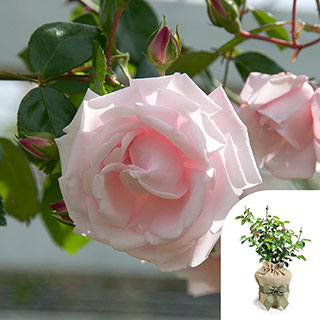
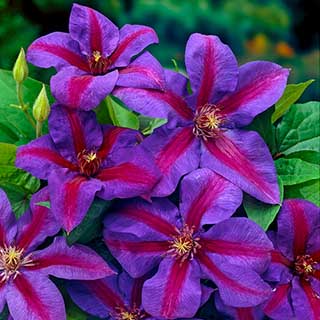
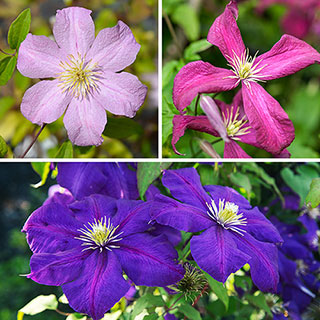
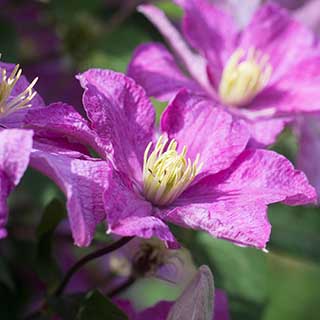
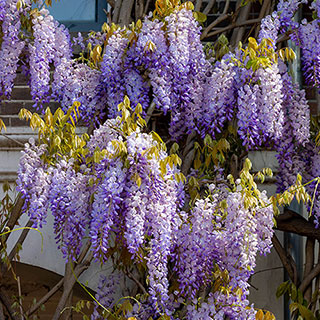
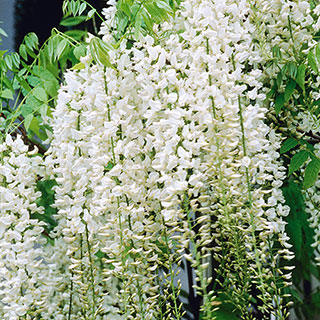
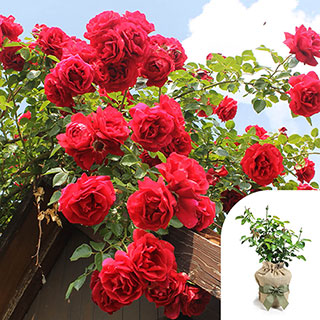
From classic climbing roses and scented honeysuckle to fast-covering clematis and striking wisteria, climbing flowers bring height, movement and seasonal interest to any outdoor space.
If you need fence climbing plants to brighten a boundary or low maintenance evergreen climbing plants for reliable foliage in every season, you’ll find plenty of dependable choices here. Shade often isn’t an obstacle either. Many excellent climbing plants for shade, such as ivy, hydrangea petiolaris and certain clematis groups, perform brilliantly on shaded north and east-facing walls.
At YouGarden, the range includes easy-care climbing plants that suit both beginners and more experienced gardeners. These plants deliver impressive results with minimal effort, helping you create vertical displays that feel lush, colourful and effortless all year round.
Climbing plants are one of the most effective ways to transform a black garden space. So versatile - they lift flower and foliage colour upwards to eye-level, and beyond! Turn bare fences, plain walls and pergolas into vibrant, living features. Whether you're looking for climbing plants with flowers, evergreen climbing plants for year-round coverage, or hardy climbing plants that thrive in UK conditions, there are options for every style and space.
From classic climbing roses and scented honeysuckle to fast-covering clematis and striking wisteria, climbing flowers bring height, movement and seasonal interest to any outdoor space.
If you need fence climbing plants to brighten a boundary or low maintenance evergreen climbing plants for reliable foliage in every season, you’ll find plenty of dependable choices here. Shade often isn’t an obstacle either. Many excellent climbing plants for shade, such as ivy, hydrangea petiolaris and certain clematis groups, perform brilliantly on shaded north and east-facing walls.
At YouGarden, the range includes easy-care climbing plants that suit both beginners and more experienced gardeners. These plants deliver impressive results with minimal effort, helping you create vertical displays that feel lush, colourful and effortless all year round.
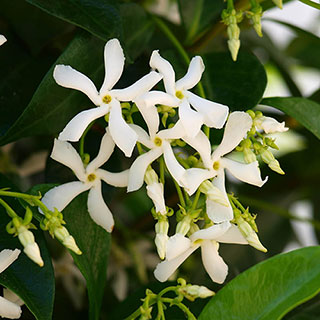
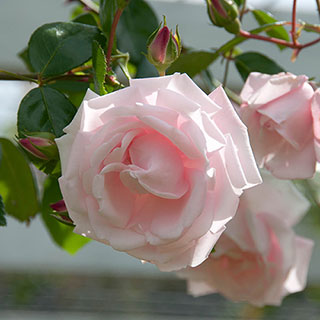

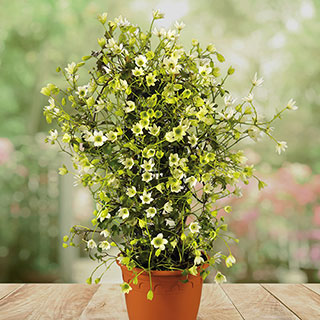
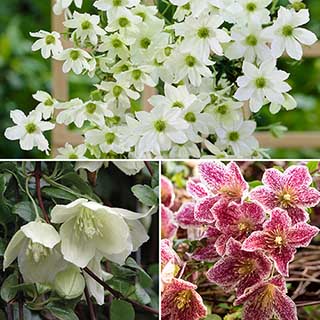
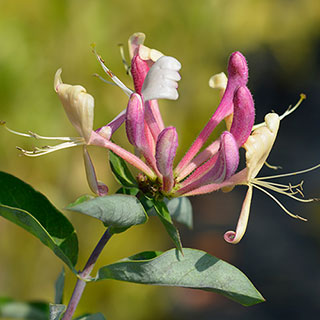

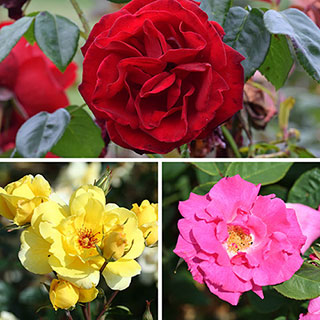
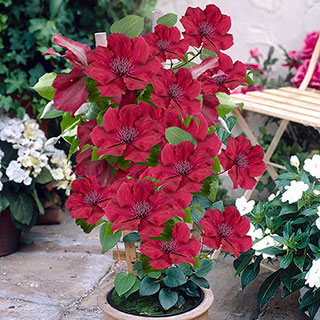
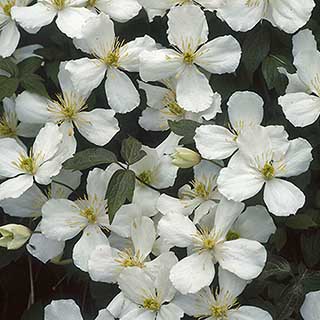
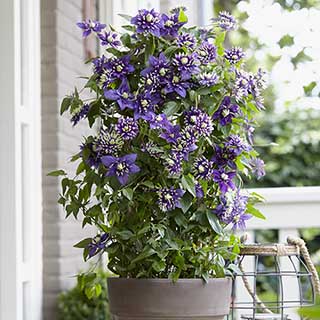
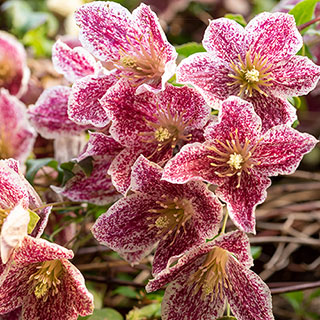
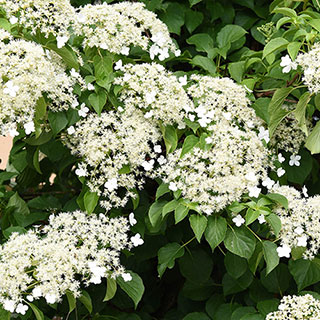
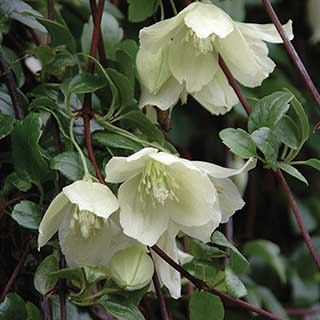
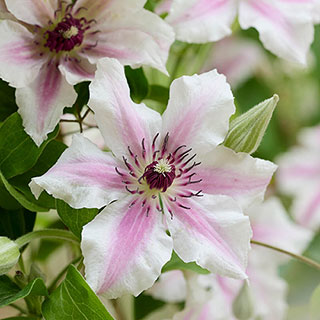
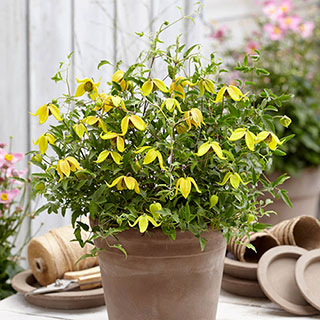
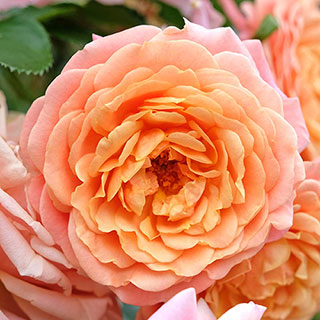
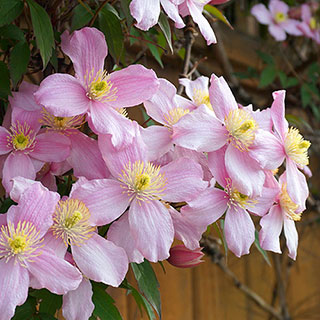
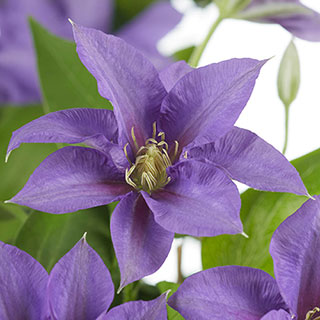
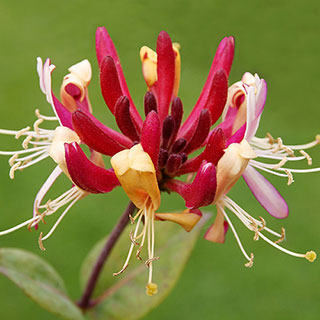
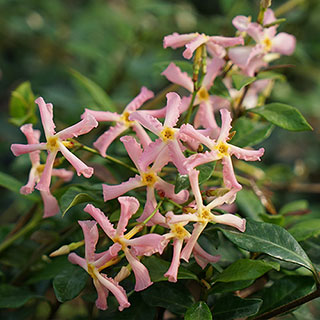
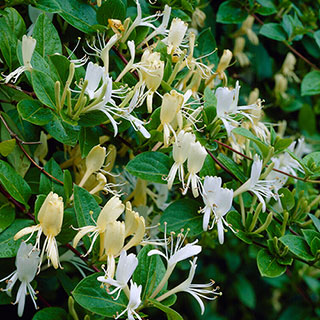
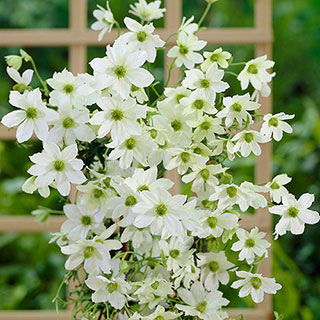
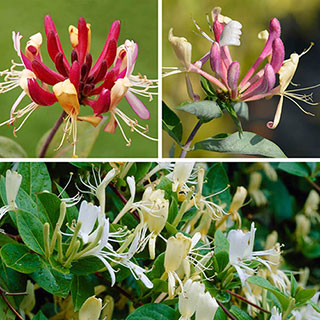
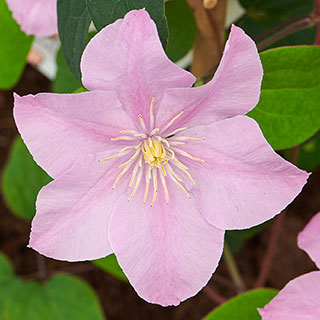
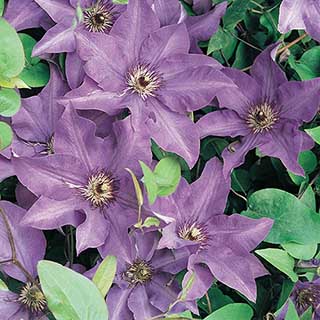

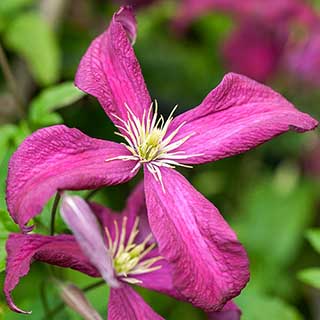
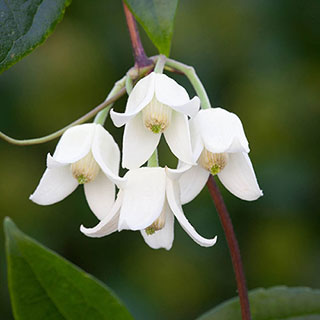
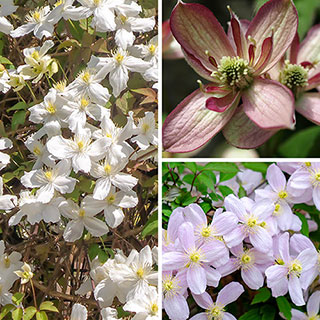


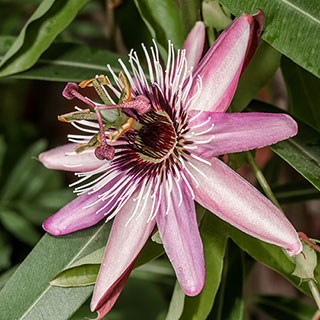
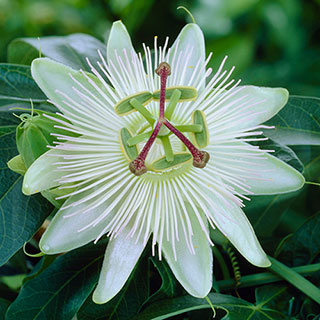
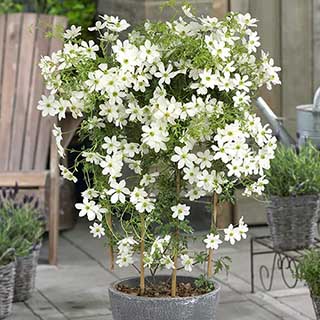
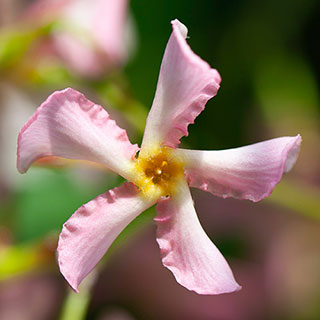


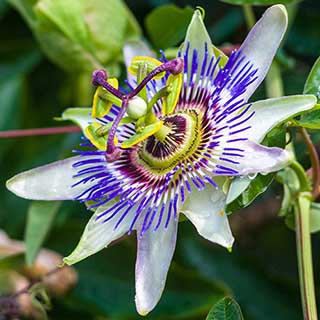
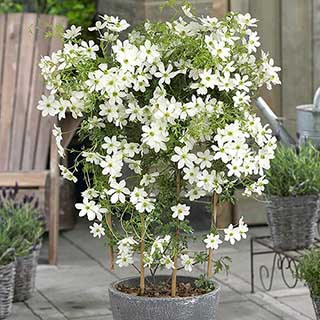
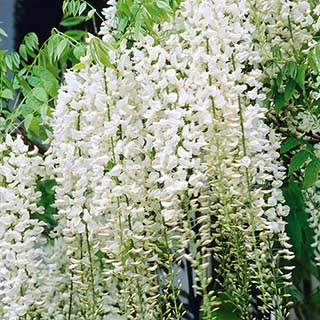
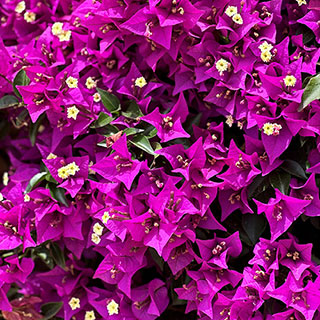
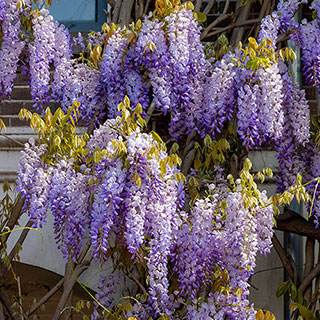
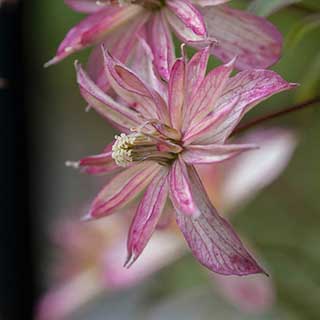
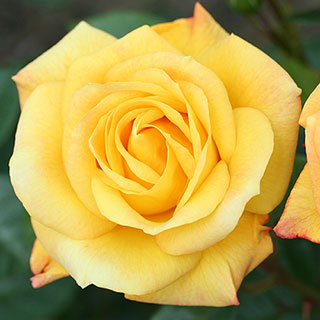
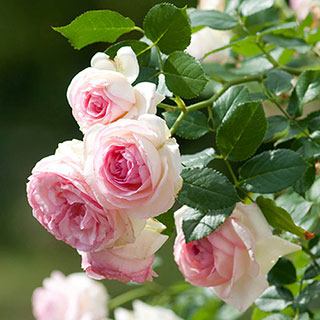
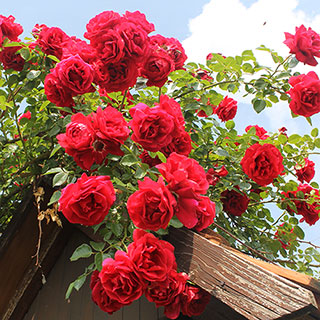
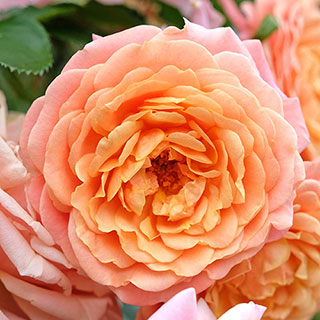
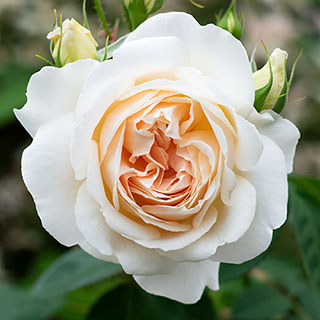
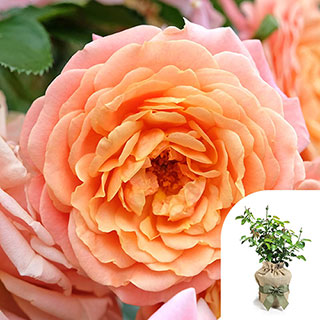
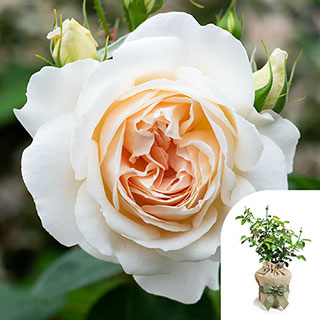
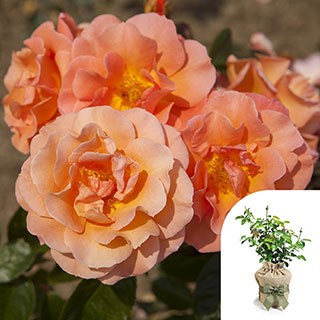
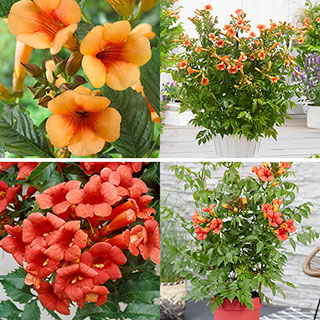
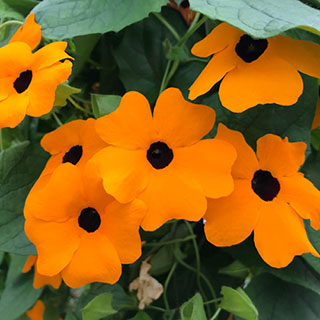
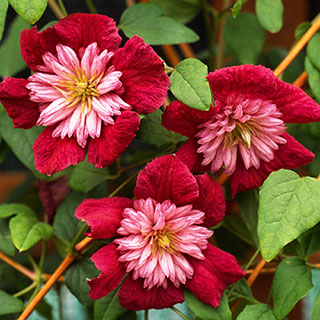
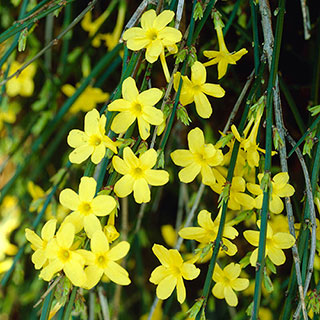
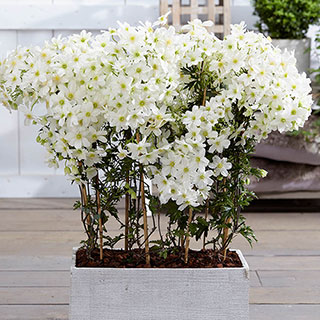
"Climbing plants are bona fide garden staples - they bring a whole new dimension to your space, turning fences, walls, and arches into stunning, living features. I love them for the way they soften hard edges, add height, and create a real sense of atmosphere, whether it’s the scent of honeysuckle on a summer evening or the bold colour of a clematis in full bloom. If you want to transform your outdoor space with minimal effort, climbing plants are the answer - and I’ve handpicked the best to help you do just that."
Peter McDermott, Head Gardener

 NEW
NEW Christmas
 Garden Plants
 Houseplants
 Trees and Shrubs
 Fruits and Veg
 Outdoor Living
 Sale
Sale
 Gardening Tips