

 Free 30 Day Refund & Replacement
 Affordable Plants Straight to Your Door
 Double Guarantee On Hardy Plants
 10 Years Of Trusted Service Award
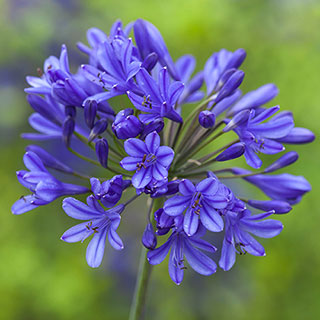
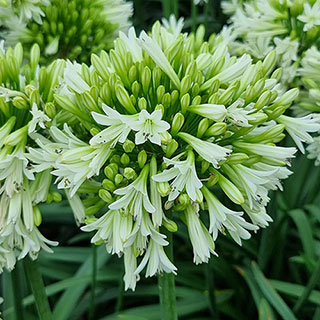
Agapanthus, commonly known as the African lily agapanthus, are among the most striking and rewarding summer-flowering plants for UK gardens. With tall stems topped by spherical heads of agapanthus flowers, they bring height, rhythm and long-lasting colour from early summer through late season. Shades range from classic agapanthus blue to crisp white agapanthus, making them easy to pair with both contemporary and cottage-style planting schemes.
Agapanthus plants are especially valued for their clean, architectural foliage, which forms neat clumps even when not in flower. This makes them just as effective as structural plants in borders as they are standout performers when grown as agapanthus in pots. Compact varieties thrive in containers on patios and balconies, while more robust forms create dramatic impact when planted in the ground. Once established, they are reliable, drought tolerant and refreshingly low maintenance.
Whether choosing blue agapanthus varieties for bold colour or white agapanthus plants for a softer, more refined look, these summer stars deliver dependable performance year after year. Explore the agapanthus plant range at YouGarden to find options suited to borders, pots and modern outdoor spaces alike.
Agapanthus, commonly known as the African lily agapanthus, are among the most striking and rewarding summer-flowering plants for UK gardens. With tall stems topped by spherical heads of agapanthus flowers, they bring height, rhythm and long-lasting colour from early summer through late season. Shades range from classic agapanthus blue to crisp white agapanthus, making them easy to pair with both contemporary and cottage-style planting schemes.
Agapanthus plants are especially valued for their clean, architectural foliage, which forms neat clumps even when not in flower. This makes them just as effective as structural plants in borders as they are standout performers when grown as agapanthus in pots. Compact varieties thrive in containers on patios and balconies, while more robust forms create dramatic impact when planted in the ground. Once established, they are reliable, drought tolerant and refreshingly low maintenance.
Whether choosing blue agapanthus varieties for bold colour or white agapanthus plants for a softer, more refined look, these summer stars deliver dependable performance year after year. Explore the agapanthus plant range at YouGarden to find options suited to borders, pots and modern outdoor spaces alike.
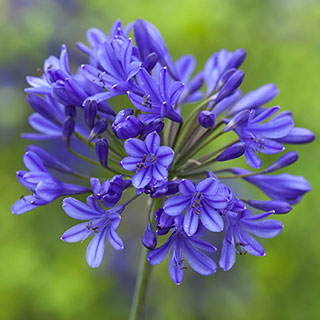
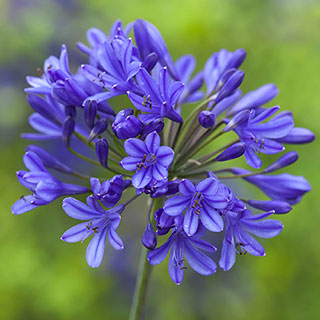
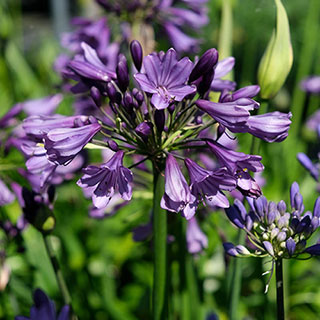
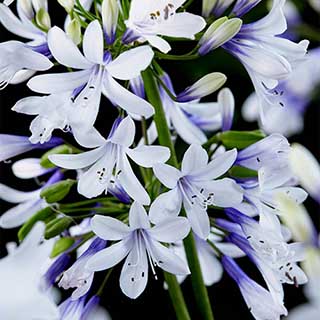

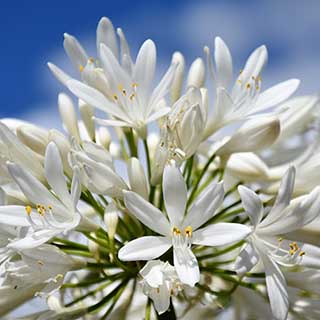
"Few plants bring the drama and elegance of Agapanthus, with their towering stems and globe-like clusters of blooms. Bursting into life in summer, these striking perennials fill your garden with bold colour, structure, and movement. I adore these true showstoppers and you can enjoy them too, year after year!"
Peter McDermott, Head Gardener

 NEW
NEW Garden Plants
 Houseplants
 Trees and Shrubs
 Fruits and Veg
 Outdoor Living
 Sale
Sale
 Gardening Tips